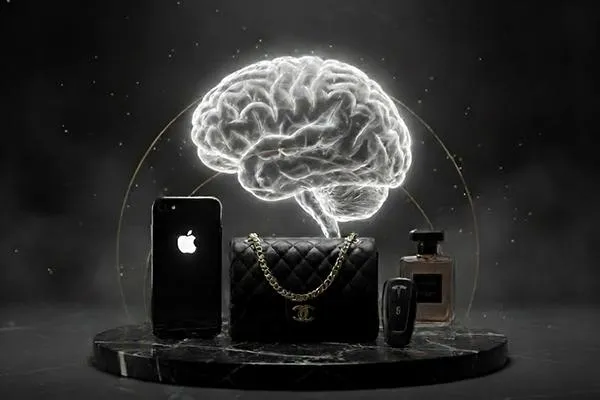
The Psychology of Premium Branding

Why Some Brands Feel Like Magic
Have you ever walked into a store, picked up a product, and instantly thought, “This must be expensive”?
It’s not just good design or sleek packaging. It’s a feeling — one that premium brands like Chanel, Tesla, Apple, and Louis Vuitton have mastered over decades.
That feeling doesn’t happen by accident. It’s built through psychology — a deep understanding of what makes humans want something, believe in it, and be proud to own it.
After working with dozens of entrepreneurs, top-tier influencers, and visionaries. I’ve seen this pattern repeat itself: premium brands don’t win because they shout louder. They win because they whisper smarter. They know exactly how to position themselves as the only choice for a certain kind of person — someone who sees value beyond price.
So, what makes a brand feel premium?
It always comes down to three timeless principles:
Exclusivity – making your audience feel part of something rare
Identity – helping them see themselves reflected in your brand
Storytelling – making your brand unforgettable through emotion and meaning
Let’s break them down.
1. Exclusivity: The Power of “Not for Everyone”
Exclusivity isn’t about scarcity — it’s about status. It’s about crafting a story that elevates your product beyond its functional value.
When something feels exclusive, it triggers a deep human desire: to belong to something rare. To own something others can’t.
The Original Premium Playbook: Packard Motor Company
In the 1920s, Packard Motor Company faced a market dominated by Ford and Chevrolet — affordable, mass-market cars. Instead of competing on price, they took a counterintuitive approach. Their campaign spoke directly to a niche audience: “For the discriminating clientele.”
It wasn’t just a car anymore. It was a symbol of refinement, craftsmanship, and class.
Packard didn’t sell transportation — they sold distinction.
Modern Parallels: Tesla and Louis Vuitton
Fast forward to today, and you’ll see Tesla doing something similar. Tesla doesn’t just sell electric vehicles — they sell the status of being forward-thinking, eco-conscious, and innovative.
Louis Vuitton uses this same strategy masterfully. Limited runs, personalized experiences, and the quiet message that “not everyone gets access” make their products irresistible.
Exclusivity works because it activates the customer’s aspiration. It’s not about making something hard to buy. It’s about making it worth earning.

2. Identity: When Your Brand Becomes Their Mirror
Exclusivity gets attention — but identity keeps it.
Premium brands don’t sell products. They sell reflections. They show customers who they are — or who they want to be.
The Chanel N°5 Revolution
In the 1950s, Chanel faced a dilemma. New perfumes were flooding the market, and women were becoming more independent. Rather than market their fragrance as just another scent, Chanel leaned into identity.
Their campaign boldly declared: “Every woman alive adores Chanel N°5.”
It wasn’t about ingredients. It was about identity. Owning Chanel wasn’t just about smelling good. it was about being confident, elegant, and timeless.
That’s the secret: when people buy premium, they’re not just buying a thing. they’re buying a story about themselves.
Modern Reflections: Lululemon and Represent
Lululemon has built an entire culture around “The Sweatlife.” It’s not just leggings — it’s belonging to a tribe of mindful, high-performing people. Their ambassadors and community events aren’t ads; they’re identity mirrors.
Represent, the UK streetwear brand, mastered this through storytelling and selective drops. Every launch feels like an event and every piece says, “This is who I am.”
When your brand reflects your customer’s identity, you’re no longer competing for sales. You’re earning loyalty —and that’s priceless.

3. Storytelling: The Soul of a Premium Brand
If exclusivity creates desire and identity builds connection, storytelling makes your brand unforgettable.
People don’t remember what you sell — they remember how you made them feel.
And that’s why storytelling is the most powerful premium branding tool there is.
The Nespresso Example: Selling a Story, Not Coffee
In the early 2000s, Nespresso faced a crowded coffee market. Everyone was selling espresso machines and pods. Instead of marketing product features, they sold a story.
Their solution? George Clooney.
Clooney wasn’t just a celebrity; he was the embodiment of sophistication, charm, and taste — the human form of the Nespresso brand. The tagline “What else?” became shorthand for effortless elegance.
They weren’t selling caffeine. They were selling refinement.
Modern Storytelling: Apple and the Emotion of Simplicity
Apple’s entire marketing machine runs on storytelling. From the “Think Different” era to today’s minimalist campaigns, they invite people into a story — one where creativity, individuality, and innovation reign supreme.
That’s why Apple doesn’t compete on specs. They sell the feeling of belonging to an elite creative class.
Your story is your brand’s emotional fingerprint. Without it, even the most beautiful product feels empty.

4. Turning Theory Into Strategy: The 3-Step Process for Founders
Understanding these principles is one thing. Implementing them — that’s where transformation happens.
Here’s the framework I use when helping entrepreneurs position their brands as premium:
Step 1: Psychology Mapping
Before crafting campaigns, map your customer’s psychology.
What triggers their sense of exclusivity?
What does “luxury” mean to them?
What identity do they want to project?
When you understand these things, you can craft messaging that connects emotionally — not just logically.
Step 2: The Marketing Vector
Next, define your marketing vector — the creative direction that guides every ad, story, and piece of content.
Your offers, visuals, and tone should all point toward the same emotional outcome. Consistency is what builds brand equity.
Discounts and price wars might win you a sale today, but consistency in storytelling wins you a following.
Step 3: Performance and Emotion Optimization
Finally, track more than revenue. Look at emotional metrics:
Hook rate
Watch time
Engagement depth
Repeat purchase behavior
These numbers show how deeply your audience is feeling your brand — and emotion drives retention far more than discounts ever will.

5. The New Premium Era: From Ads to Ecosystems
Today’s premium brands aren’t built in glossy magazines or billboards — they’re built in ecosystems.
Founders who understand this are shifting from “selling products” to “building worlds.” Every touchpoint — from social media content to customer service — reinforces the same emotional narrative.
When someone enters your world, they should immediately feel something: belonging, aspiration, inspiration.
Think about how Apple stores feel like temples of creativity, or how Lululemon events feel like communities. That’s no coincidence — that’s architecture.
You’re not just running a business. You’re curating a world your audience wants to live in.

Build a Category of One
At the end of the day, premium branding isn’t about charging more — it’s about meaning more.
When your brand stands for something bigger than your product… when it gives people a way to express who they are and who they’re becoming… you stop competing.
You become the only choice for the right kind of buyer.
Exclusivity makes them want your product. Identity makes them see themselves in it. Storytelling makes them remember you.
When those three align, you’re not just selling. You’re shaping culture.
Ready to Build a Brand That Can’t Be Ignored?
You’ve got the vision — now it’s time to turn it into a world your audience can’t stop talking about.
I help entrepreneurs step into their power — transforming ideas into high-converting brand ecosystems that scale with purpose and precision. Through AI-driven content, strategic storytelling, and intentional positioning, I connect powerful voices with the platforms and people that amplify their influence.
If you’re ready to launch boldly, build momentum, and craft a brand that’s simply unignorable — let’s make it happen.
👉 Book a discovery call with me!
