How Psychology and Automation Work Together to Build Scalable Businesses
Most businesses don’t struggle because of a lack of effort.
They struggle because growth introduces complexity — and complexity breaks systems that were never designed to scale.
What I’ve learned through years of studying business behavior, decision-making, and systems design is this: scalable businesses are built at the intersection of psychology and automation.
Psychology explains why people behave the way they do — how they make decisions, build trust, and commit.
Automation determines how those behaviors are supported consistently, at scale, without relying on constant human effort.
When these two work together, businesses grow with clarity instead of chaos.
When they don’t, even the best ideas eventually collapse under friction.
This blog breaks down how psychology and automation intersect — and why understanding both is essential if you want to build a business that scales without burnout, bottlenecks, or constant reinvention.
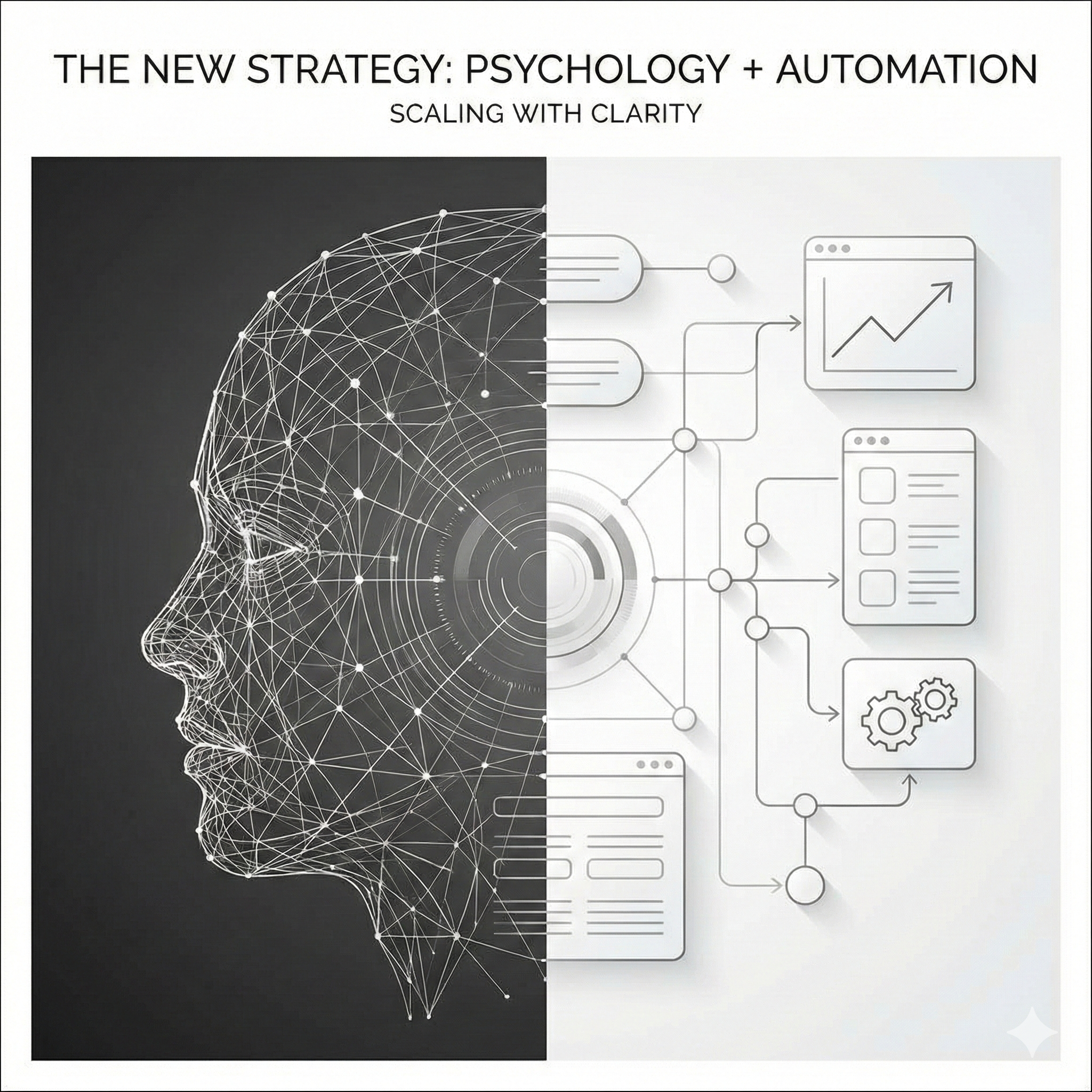
1. Buying Decisions Are Emotional Before They Are Logical
People like to believe they make rational decisions.
In reality, most decisions — especially purchasing decisions — are made emotionally first and justified logically afterward.
This isn’t a flaw. It’s how the human brain conserves energy.
We rely on psychological shortcuts to decide:
Who to trust
What feels safe
What feels worth the investment
What aligns with our identity
Businesses that scale understand this intuitively.
They don’t just sell products or services.
They design experiences that feel right to the buyer’s brain.
Automation supports this by ensuring those experiences are consistent — every time, at every touchpoint — instead of being dependent on memory, effort, or mood.
2. Perception Is a System, Not a Marketing Trick
One of the biggest misconceptions in business is that perception is created through branding alone.
In reality, perception is created through repeated interactions.
Every email.
Every form.
Every onboarding step.
Every follow-up.
Each moment either reinforces trust or introduces doubt.
Psychology tells us that humans crave coherence. When something feels disjointed, our brains interpret it as risk.
Automation allows businesses to design coherence into their operations:
Consistent messaging
Predictable processes
Clear expectations
Reliable delivery
When perception is systemized, trust compounds.

3. Cognitive Load Is the Silent Killer of Growth
One of the most overlooked psychological barriers to scale is cognitive overload.
When customers feel confused, overwhelmed, or uncertain, they hesitate. When teams feel overloaded, mistakes increase. When founders carry everything in their head, growth stalls.
Psychology shows us that clarity reduces resistance.
Automation creates that clarity by:
Removing unnecessary decisions
Standardizing repetitive actions
Organizing information logically
Reducing dependency on human memory
The goal isn’t to remove people from the process — it’s to remove friction from it.
Scalable businesses protect mental bandwidth as aggressively as they protect revenue.

4. Automation Works Best When It Supports Human Judgment
Automation fails when it tries to replace humans entirely.
It succeeds when it supports human judgment.
The most effective systems are designed around how people naturally think and work:
Decision support instead of decision replacement
Guidance instead of control
Structure instead of rigidity
Psychology reminds us that humans value autonomy and competence. Automation should enhance both — not diminish them.
This is why one-size-fits-all systems rarely scale well. Businesses need automation that adapts to context, not rigid workflows that ignore reality.

5. Trust Is Built Through Repetition, Not Persuasion
Trust isn’t created in a single moment.
It’s built through repeated signals:
Reliability
Consistency
Transparency
Follow-through
Psychology explains why trust compounds slowly but breaks quickly.
Automation protects trust by ensuring that what should happen actually does happen — even as volume increases.
Follow-ups happen on time.
Processes don’t change unexpectedly.
Information is accurate and accessible.
When trust is embedded into systems, growth becomes sustainable instead of stressful.

6. Scarcity and Boundaries Create Respect
True scarcity isn’t manufactured urgency.
It’s created through boundaries.
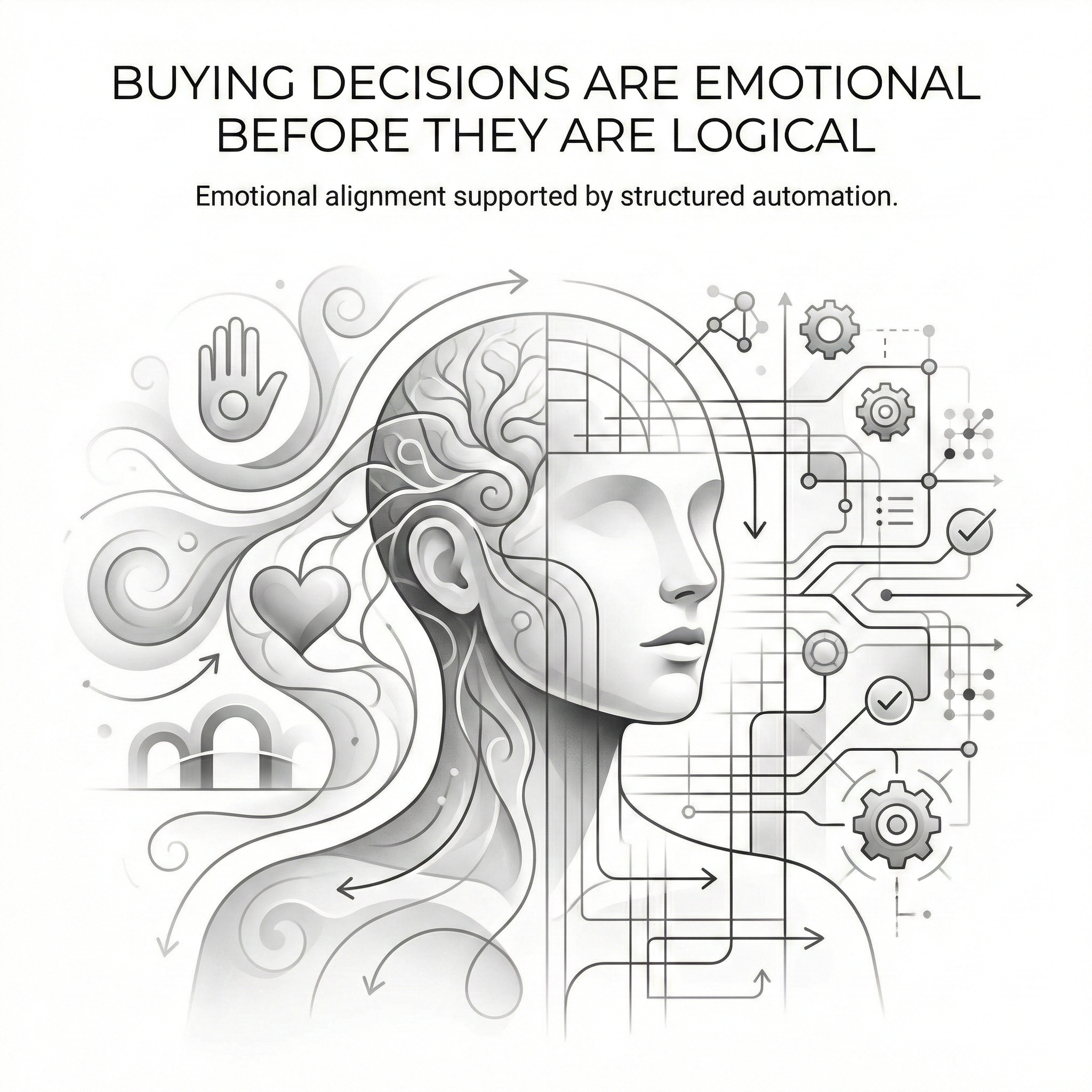
Psychology shows us that people value what feels intentional, protected, and selective. Businesses that try to serve everyone often end up serving no one particularly well.
Automation helps enforce healthy boundaries by:
Qualifying inquiries
Structuring access
Protecting time and energy
Creating intentional customer journeys
This isn’t about manipulation.
It’s about respect — for the business and the people it serves.
7. Social Proof Is a Psychological Accelerator
Humans look to others for signals.
Is this safe?
Is this credible?
Is this worth it?
Social proof reduces uncertainty by showing that others have already gone first.
Automation helps turn reputation into an asset by:
Capturing feedback consistently
Organizing insights
Highlighting patterns
Reinforcing credibility at scale
When social proof is systemized, trust doesn’t rely on chance — it becomes part of the infrastructure.

8. Aesthetics Reduce Friction Faster Than Logic
People associate visual clarity with competence.
This applies far beyond branding.
Processes, interfaces, documents, and systems that look intentional are easier to trust and easier to use.
Psychology tells us that beauty reduces cognitive resistance.
Automation helps maintain that standard as businesses grow, ensuring quality doesn’t degrade under pressure.
Clean systems feel safe.
Safe systems scale.

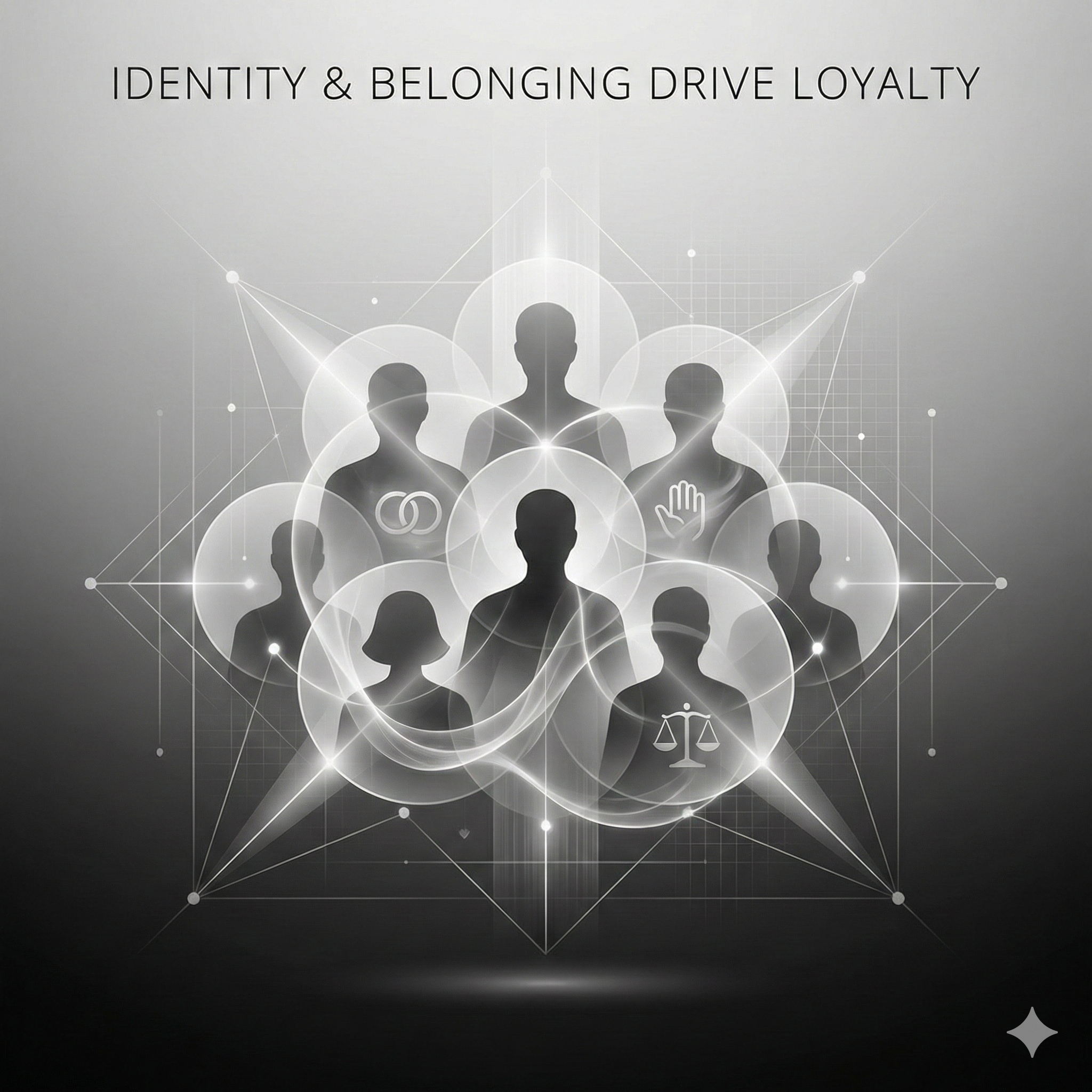
9. Identity and Belonging Drive Long-Term Loyalty
At a deeper level, people buy what reinforces their identity and sense of belonging.
They align with businesses that:
Reflect their values
Understand their context
Respect their intelligence
Psychology explains why loyalty isn’t transactional — it’s relational.
Automation allows businesses to maintain those relationships at scale without losing the human element.
When systems support meaning, loyalty follows.
Scalable businesses aren’t built by accident.
They’re designed — intentionally — around how people actually think, feel, and behave.
Psychology explains why trust is created.
Automation determines whether that trust can scale.
When these two work together:
Growth becomes sustainable
Complexity stays manageable
Founders stop being the bottleneck
Systems carry the weight instead of people
This isn’t about removing humanity from business.
It’s about designing systems that support it.

If you’re building a business and you feel:
Growth is creating more friction than freedom
Systems are heavier than they should be
Too much relies on manual effort or memory
This is where I come in.
I help entrepreneurs:
Design AI automation around real human behavior
Build systems that scale trust, clarity, and execution
Align psychology, operations, and technology
Create businesses that grow without constant strain
🔥 Book a discovery call with me!
We’ll look at how your business operates today — and map out how automation and systems can support where you’re going next.
